
In food manufacturing, a delayed approval, undocumented design decision, or missed control can affect far more than a project schedule. It can disrupt commissioning, compromise production readiness, and force expensive rework. Talk to a PMO Expert to build compliance into your next facility project.
Food manufacturing project management aligns facility design, production goals, quality systems, and regulatory checkpoints from initiation through commercialization. A compliance-led approach helps teams identify FDA and USDA obligations early, coordinate evidence across functions, and make informed decisions without treating food safety as a final-stage review.
That discipline also has a measurable business case. PwC reports that organizations using formal project management practices waste 13 times less money because of stronger performance and resource management. The same principle applies to compliance: when requirements are built into the work plan, leaders can manage risk while protecting speed to value. The first step is understanding why compliance must shape the operating model from the beginning.
In food manufacturing, compliance decisions influence the project before equipment is ordered, a line is installed, or production begins. USDA and FDA requirements affect facility design, sanitation controls, documentation, validation, supplier coordination, and operational readiness. Treating compliance as a review performed at the end creates avoidable rework and can leave a facility or process unable to move into production.
A compliance-first approach embeds regulatory requirements into the project charter, scope, schedule, risk register, and decision gates. The project team can then identify which design choices require quality or regulatory review, assign accountable owners, and preserve the evidence needed to demonstrate control. This makes compliance part of execution rather than a separate workstream that competes for attention after technical milestones have already been approved.
The financial case is equally direct. According to PwC, organizations using formal project management practices waste 13 times less money than organizations without them, largely because stronger performance and resource management reduce avoidable loss. In a regulated food environment, that discipline can help prevent late design changes, duplicated testing, delayed commissioning, and production interruptions tied to unresolved compliance issues.
Regulatory requirements should be translated into measurable deliverables, not broad intentions. A project manager might define approval checkpoints for process flow, hygienic design, allergen controls, environmental conditions, traceability, and recordkeeping. Each checkpoint needs a responsible owner, acceptance criteria, due date, and documented disposition of open issues.
This structure also supports early review. The FDA notes that pre-operational reviews can reveal defects before they become costly construction errors or result in facilities that cannot be brought into compliance. Building those reviews into the schedule gives leaders a chance to resolve issues while alternatives remain available.
The operating environment is under pressure to expand capacity without weakening control. The United Nations estimates that worldwide food production must increase by at least 70 percent to keep pace with demand. That growth raises the stakes for facility expansions, new product introductions, automation initiatives, and multi-site standardization.
Projects that connect regulatory requirements to investment decisions can scale more confidently. They protect the organization from the false economy of moving quickly now and correcting compliance failures later. While giving executives clearer visibility into delivery confidence, risk, and readiness for commercial production.
USDA and FDA requirements shape a food manufacturing project from its earliest design decisions through commissioning and production. A compliance-driven plan sequences hazard analysis, facility reviews, documentation, validation, and agency engagement alongside engineering and construction work. That approach makes regulatory readiness a managed delivery milestone rather than a late-stage inspection surprise.
The Food Safety Modernization Act (FSMA) mandates that the FDA establish a comprehensive, risk-based food safety system. For project leaders, that means food safety cannot sit outside the core project plan. The scope may need to include hazard analysis, preventive controls, monitoring procedures, corrective actions, verification activities, and records that demonstrate the controls work.
Preventive Controls for Human Food requirements under 21 CFR Part 117 can influence equipment selection, hygienic zoning, process flows, sanitation design, supplier controls, and training. Each decision creates dependencies for quality, regulatory, operations, engineering, and procurement teams. Capturing those dependencies early helps the team identify which design changes require review before they become expensive construction or commissioning changes.
Facilities producing meat, poultry, or processed egg products generally need to account for USDA Food Safety and Inspection Service requirements, including the Grant of Inspection process. The project plan should identify the applicable product category, facility documentation, sanitary design expectations, HACCP plan development, and the evidence required before regulated operations begin.
These requirements can affect the critical path. A facility may be physically complete yet unable to start commercial production until its inspection, plans, procedures, and supporting records are ready. A PMO should therefore track regulatory submissions and responses as schedule activities with accountable owners, review dates, decision gates, and contingency time.
FDA guidance explains that pre-operational reviews can reveal defects early and help prevent costly construction errors that could result in defective products or facilities that cannot be brought into compliance. This makes a pre-operational review more than a final check. It is an opportunity to test the design against intended processes, sanitation, food safety controls, and regulatory expectations while changes are still practical.
HACCP principles and preventive-controls planning should be connected to this review sequence. Teams can use documented hazards and controls to inform design reviews, commissioning protocols, validation evidence, and operator training. To select the right delivery approach for this level of coordination, review project management methodologies in regulated environments.
The result is a timeline with deliberate compliance gates: define regulatory requirements, incorporate them into design. Review before construction is locked, validate controls, complete required documentation, and confirm readiness before startup. Treating those gates as part of the integrated schedule gives executives clearer visibility into launch risk and gives project teams a structured way to protect both speed and food safety.
A compliance-driven plan makes regulatory readiness part of the critical path, not a final approval exercise. The project manager should translate food-safety requirements into design criteria, decision gates, accountable owners, evidence packages, and dates that QA, regulatory, engineering, and operations can manage together.
Start by defining the intended product, process flow, facility scope, hazards, zoning, sanitation needs, utilities, and equipment requirements. Bring QA and regulatory affairs into the design review before procurement or construction is locked. FDA guidance explains that pre-operational review can reveal defects early and help prevent costly construction errors or facilities that cannot be brought into compliance: FDA pre-operational review guidance.
Use a stage-gate framework for food manufacturing to require documented sign-off before moving from concept to detailed design, construction, installation, and commissioning.
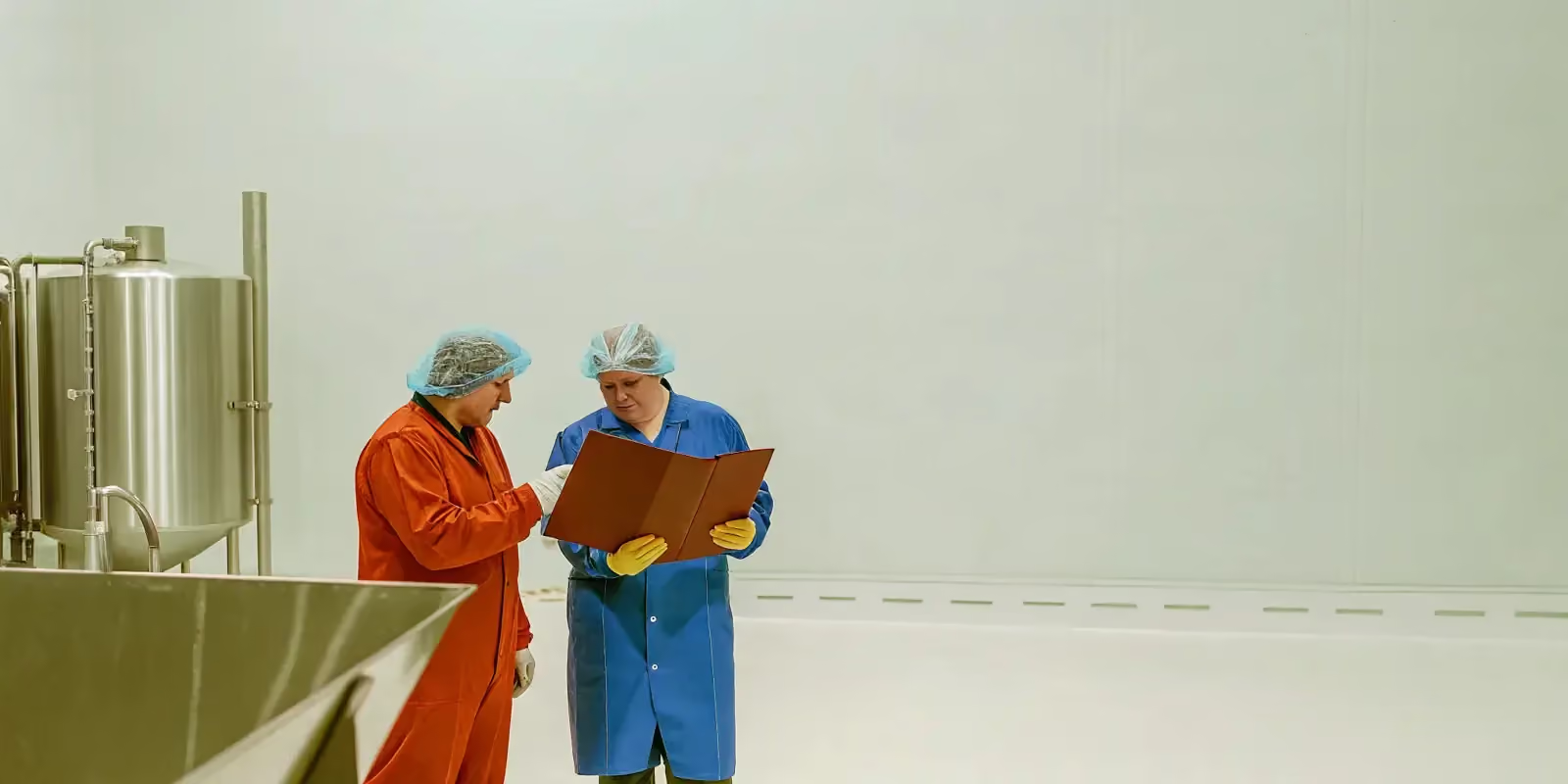
Before production begins, conduct a structured pre-operational review against approved drawings, hygienic-design requirements, process controls, cleaning procedures, and safety documentation. Track each finding to an owner, corrective action, verification method, and closure date. Do not treat a completed installation as proof of readiness. The evidence should show that the facility and process can operate as designed.
Validation demonstrates that the process and preventive controls can consistently achieve their intended food-safety outcomes. Verification confirms that the controls continue to work through monitoring, record review, calibration, audits, testing, and corrective-action follow-up. The project schedule should distinguish both activities, assign acceptance criteria, and reserve time for failed tests or redesign.
FDA and USDA considerations in a food manufacturing project planPlanning areaFDA-regulated facilitiesUSDA-regulated facilitiesScopeGenerally covers foods regulated by FDA, including many manufactured, processed, packed, or held foods.Generally covers meat, poultry, and processed egg products subject to FSIS jurisdiction.Inspection authorityFDA oversight includes inspection programs, training, compliance, and enforcement. See the FDA regulatory program standards.FSIS grants inspection and oversees applicable establishments through its inspection programs.HACCP requirementsRisk-based preventive-controls requirements and hazard analysis apply under the relevant FDA framework.HACCP-based systems are required for covered meat, poultry, and processed egg establishments.Facility types coveredFood manufacturers, processors, packers, and holders within FDA jurisdiction.Covered slaughter, processing, and inspected meat, poultry, and processed egg establishments.
Close the project with an evidence-based readiness review. Confirm that approved procedures, training records, monitoring forms, traceability tests, maintenance plans, and escalation paths are in place. Link the readiness package to the end-to-end food and beverage project management lifecycle so compliance remains visible after commercial launch.
Inspection readiness should be managed as an operating workstream, not assembled during the final week before an auditor arrives. The project manager creates one integrated plan that connects quality, regulatory affairs, operations, engineering, maintenance, supply chain, and plant leadership. That plan assigns owners, deadlines, evidence requirements, escalation paths, and a clear definition of readiness.
Begin with a controlled evidence inventory. The team should confirm that the current versions are approved, accessible, and consistent with actual practice across the facility. The inventory typically includes:
Use a requirements-to-evidence matrix to identify missing, expired, contradictory, or poorly controlled records. The project manager should also confirm that electronic systems preserve version history and that authorized users can retrieve records quickly. For USDA-regulated operations, inspection coordination should account for the facility's FSIS relationship and required records. For FDA-regulated operations, the broader program includes inspection, training, compliance, and enforcement functions, as reflected in the FDA's Manufactured Food Regulatory Program Standards (FDA regulatory program standards).
Validation is more than confirming that a procedure exists. Quality and regulatory leads should verify that critical limits, monitoring frequencies, corrective actions, and verification activities are scientifically and operationally defensible. Operations and engineering then demonstrate that equipment, workflows, utilities, and personnel practices can consistently support those controls.
Schedule a mock recall using a representative lot and measure how quickly the team can identify affected ingredients, finished products, customers, and distribution points. Test both forward and backward traceability, document the gaps, and assign corrective actions with owners and due dates. A project manager can use the same cadence to rehearse how the team will retrieve records and respond to questions in PHIS. The Public Health Information System, where applicable to USDA inspection operations.
Run a cross-functional inspection simulation rather than a presentation. Have one team act as inspectors while another retrieves evidence, walks the production floor, explains controls, and records observations. Close each finding through a tracked action log, then require quality and regulatory leadership to approve the residual-risk position before the inspection.
This coordination model is part of foundational food and beverage project management. It is equally valuable during food manufacturing plant expansion projects, when design decisions can create future compliance constraints. Build inspection readiness into the integrated schedule, and the facility can demonstrate control through evidence, repeatable practice, and accountable ownership.
Food manufacturing projects succeed when compliance, production, and commercial objectives are managed as one operating system. A project manager should establish shared decision rights early, so each function understands what it owns. What it must review, and which issues require escalation before they affect launch timing or product integrity.
Quality assurance and regulatory affairs should translate applicable requirements into project deliverables, acceptance criteria, and evidence. Operations contributes practical constraints from the plant floor, including sanitation windows, staffing, line changeovers, and production continuity. Engineering owns design, utilities, equipment qualification, and technical readiness. Supply chain validates supplier capabilities, material specifications, logistics, and contingency plans.
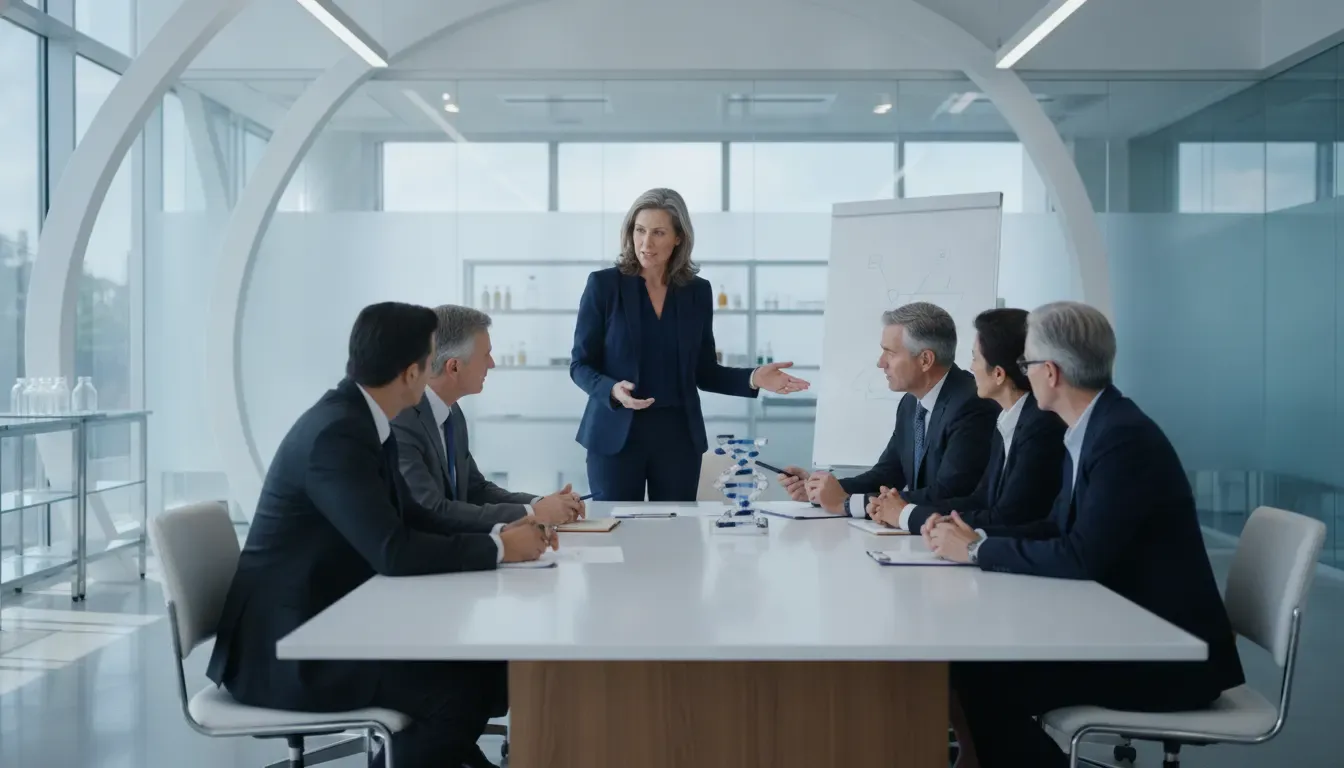
These teams should participate in a common cadence rather than receive sequential handoffs. A cross-functional readiness review can track open risks, required approvals, test results, training, documentation, and go-live dependencies in one place. That structure makes the impact of a late design change visible to every affected stakeholder.
Technology integration should be treated as a business-process decision, not simply an implementation task. ERP and MES connections may affect material master data, batch records, production scheduling, inventory transactions, traceability, quality events, and reporting. Before configuration begins, the team should agree on data ownership, required interfaces, validation responsibilities, user roles, exception handling, and the records that must be retained.
Testing should reflect real operating conditions. Cross-functional teams can use representative materials, batches, equipment states, and quality decisions to confirm that information moves accurately from planning through production and release. This approach exposes gaps between a technically functional integration and one that supports controlled, repeatable execution.
Food safety culture becomes operational when leaders connect individual decisions to consumer protection, regulatory confidence, and business continuity. Project governance should make it safe to raise concerns, document decisions, pause work when controls are unclear, and resolve issues with evidence rather than assumptions. For additional guidance, review these food safety project management strategies.
For organizations coordinating facilities, functions, or workstreams across locations, consistent templates and escalation rules are equally important. A common governance model supports multi-site project management in food manufacturing while allowing each facility to address its own operational realities.
Compliance-driven initiatives require more than a project schedule and a list of regulatory deliverables. Food manufacturers need project leadership that can connect quality, regulatory, operations, engineering, and supply chain decisions to the same business outcome. MustardSeed provides that coordination through an embedded PMO model designed for complex, regulated environments.
Its PMO-as-a-Service model gives organizations flexible access to experienced project managers and PMO capabilities without forcing a one-size-fits-all operating model. MustardSeed teams integrate into existing client environments, adopt the tools and governance already in use, and add structure where execution needs greater visibility or control. That approach is particularly valuable when a compliance project must move forward without disrupting plant operations or creating another disconnected layer of oversight.
MustardSeed brings specific food and beverage expertise to initiatives such as facility upgrades, new product commercialization, process changes, quality system improvements, and inspection-readiness programs. Its teams can help establish workstream ownership, map regulatory checkpoints into the integrated schedule. Clarify decision rights, and create escalation paths when a technical or quality issue threatens delivery. The goal is not simply to document compliance. It is to make compliance part of how the project is planned, governed, and executed.
MustardSeed's experience includes more than 200 PMOs built and scaled, over 100,000 projects managed, and more than $50 million in client savings. Those proof points reflect a delivery model built to translate strategic priorities into controlled execution, not merely to produce status reports.
For manufacturers coordinating multiple stakeholders, sites, or regulatory requirements, MustardSeed can also connect compliance planning to broader end-to-end food and beverage project management. That combination helps leadership balance speed to value with the disciplined controls required for reliable, compliant delivery. When the stakes are high, the next step is to assess where embedded PMO support can strengthen the portfolio.
Project management coordinates regulatory, quality, engineering, operations, and supply chain work from initial scope through startup. It establishes owners, decision gates, documentation requirements, and dependencies so facility changes, product launches, and process improvements advance without losing visibility into food safety or production risk.
A compliance-focused project plan builds required controls into the work instead of treating them as a final review. The team maps applicable requirements, schedules design and pre-operational reviews, maintains evidence, assigns corrective actions, and confirms that validation and verification activities are complete before release.
Common challenges include maintaining production while construction proceeds, coordinating sanitation and commissioning, controlling scope changes, preserving traceability, and aligning multiple approval timelines. Projects also need clear escalation paths when equipment, facility design, supplier documentation, or process changes affect an established food safety plan.
Start with the business outcome and applicable USDA or FDA requirements, then define scope, risks, stakeholders, deliverables, and regulatory checkpoints. Sequence design, procurement, installation, testing, validation, training, documentation, and startup. Assign accountable owners and objective exit criteria for every gate.
Maintain organized, current records throughout the project rather than reconstructing them before an inspection. Review the HACCP or preventive controls documentation, confirm traceability and corrective-action records. Conduct mock inspections or recalls, and verify that operators can explain the changed process and associated controls.
Ready to Strengthen Your Compliance Approach?
USDA and FDA requirements become easier to manage when regulatory milestones, operational decisions, and project delivery are coordinated from the outset. If your team is planning a facility change, modernization effort, or compliance-driven initiative, talk to a PMO Expert about building the execution structure your project requires. Talk to a PMO Expert to discuss your next step.