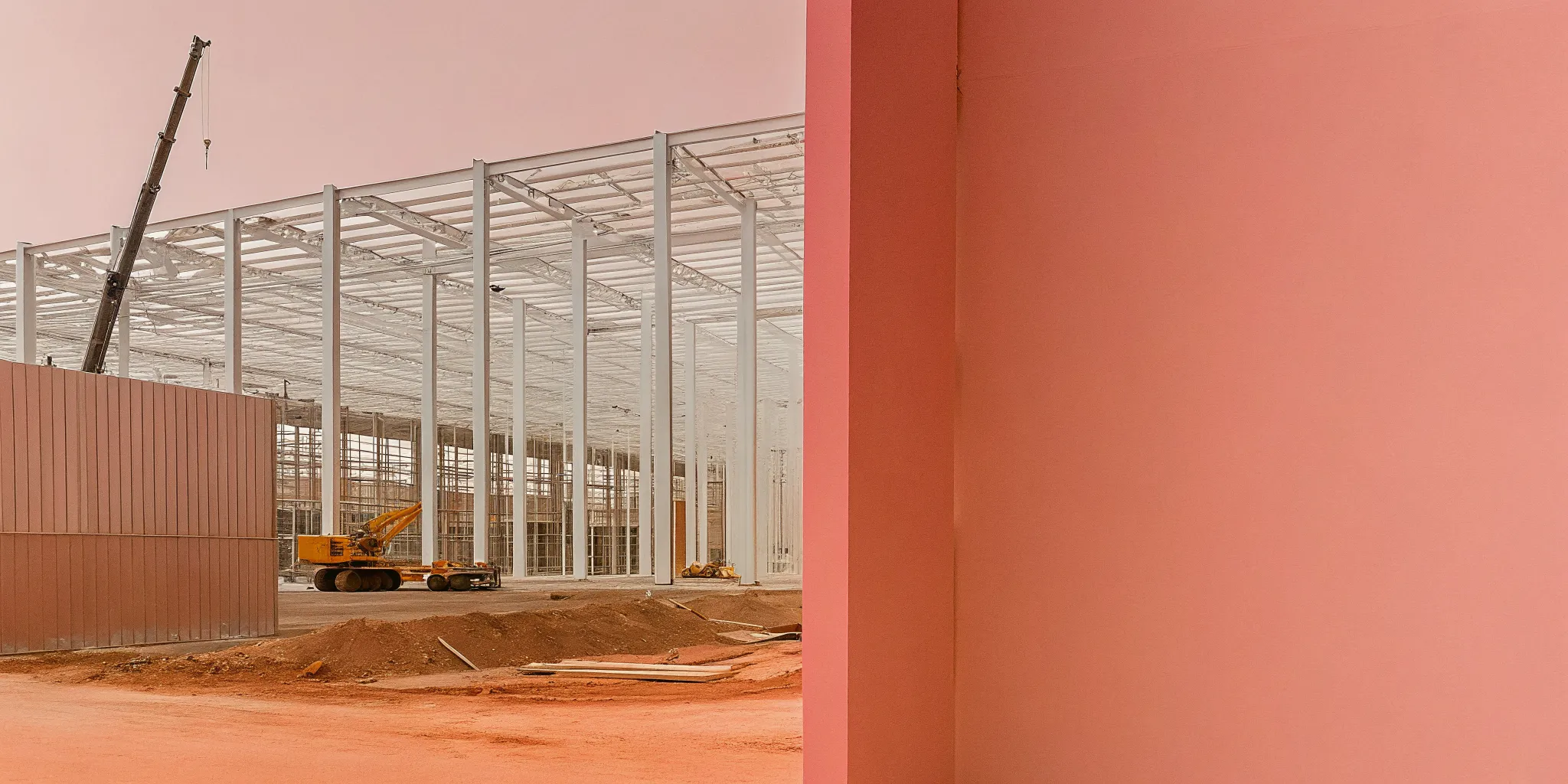

Unplanned production downtime during a food plant expansion can cost a firm millions in lost revenue and damage customer trust. Every capital project at a live facility demands a governance structure that protects both the bottom line and food safety standards. Talk to a PMO Expert to keep your plant running during growth.
Food manufacturing plant expansion project management is the strategic discipline that safeguards production output while scaling facility capacity. For executive leaders, the central challenge is adding square footage and new lines without compromising the hygiene, throughput, or regulatory compliance of active operations. An embedded PMO-as-a-Service model provides the neutral governance layer that aligns construction teams with business objectives through phased sequencing, milestone-based design reviews, and real-time risk monitoring. MustardSeed's AI-enabled tools have demonstrated a 60% reduction in project completion time by catching risks before they escalate. This structured approach transforms a high-risk capital project into a controlled, measurable growth initiative.
Senior leaders overseeing plant expansions need more than construction management. They need decision-making frameworks that integrate operational constraints, regulatory requirements, and financial controls into every phase.
When architecting a capital project within a live food processing facility, governance is not optional. Every decision carries downstream consequences for production throughput, food safety, and regulatory standing.
The central tension in any food plant expansion is that construction must proceed while existing lines remain operational. A governance framework resolves this by defining clear decision rights, escalation paths, and communication protocols between the construction team and production leadership. Using project management for food manufacturing ensures that every phase of the expansion is aligned with operational priorities, not just construction milestones.
Governance creates the boundary conditions that keep construction crews and food safety teams working toward shared outcomes. It translates executive intent into measurable checkpoints, ensuring that capital deployed toward expansion delivers its intended return without introducing unacceptable risk to current operations.
VPs of Operations and C-suite executives require real-time insight into how an expansion project consumes resources and affects production capacity. Without a governance layer, this data is scattered across spreadsheets, contractor reports, and word-of-mouth updates. A structured governance model consolidates this information into executive dashboards that show budget burn, schedule variance, risk registers, and compliance status at a glance.
This visibility is not a luxury. It is the mechanism that allows leadership to intervene before cost overruns compound or schedule slips threaten launch dates. When multiple functional teams share one construction site, governance provides the reporting framework that surfaces conflicts early and enables rapid resolution.
Food manufacturers face intense competitive pressure to bring new capacity online quickly. But accelerating a construction timeline inside an active USDA- or FDA-regulated facility introduces acute food safety risks. Governance resolves this tension by embedding safety checkpoints into the project schedule rather than treating them as external obligations. Each phase gate includes a hygiene-zone review, a cross-contamination risk assessment, and a regulatory sign-off before the next construction increment proceeds.
This structured escalation ensures that speed never compromises the quality or safety of products moving through adjacent production lines. It is the operational manifestation of the principle that in food manufacturing, compliance and efficiency are not trade-offs but parallel requirements of disciplined project execution.
Standard consultants deliver recommendations and leave. An embedded PMO places experienced project managers directly into the client's operational environment, working alongside plant leadership and contractor teams. This model, which MustardSeed delivers through its strategic project management services, integrates into existing workflows without disrupting production rhythms.

The PMO owns the governance framework, risk register, schedule, and communication plan, freeing plant leadership to focus on safety and quality. Neutral positioning is critical in high-stakes capital environments. The embedded team answers to the project's success criteria, not to internal politics or vendor relationships. This independence allows for objective decision-making when trade-offs arise between construction speed and production safety.
Speed to value is a defining priority for C-suite leaders approving large capital expenditures. Traditional project controls rely on manual tracking, which introduces latency between field events and leadership awareness. MustardSeed's AI-enabled toolset has demonstrated a 60% reduction in project completion time for complex expansions. These tools apply predictive analytics to identify schedule risks before they materialize. Automate progress tracking across multiple work streams, and generate real-time variance reports that enable faster corrective action.
The result is not just a faster project. It is a project where leadership maintains decision-quality awareness at every phase, reducing the likelihood of surprise cost overruns or deadline extensions.
For organizations managing multiple concurrent capital projects, the embedded PMO model delivers consolidated portfolio visibility. VPs and Directors receive live updates on budget performance, milestone attainment, and risk exposure across all active expansions. This enterprise-level view enables resource allocation decisions that optimize the full portfolio rather than optimizing individual projects at the expense of others. The governance layer ensures that every project follows the same reporting standards, making comparison and prioritization straightforward.
This visibility transforms capital project management from a reactive discipline into a strategic capability. Leaders no longer discover problems through surprise reports. They see risks forming days or weeks before they impact outcomes.
Food safety is the non-negotiable priority in any food plant expansion. The interface between construction zones and production areas requires physical barriers, negative air pressure systems, and strict personnel protocols to prevent cross-contamination. Every construction phase must include a hygiene-zone review that verifies containment integrity before work proceeds. A neutral governance partner, such as MustardSeed's embedded PMO, can establish and enforce these protocols without being influenced by construction schedule pressure. This structured approach uses the same principles found in clinical-grade facility design to maintain sanitary conditions throughout the build.
Unplanned production downtime is the single largest financial risk in a plant expansion. Every hour of unplanned shutdown translates directly into lost revenue that the expanded capacity must recover. Milestone-based design reviews at 30%, 60%. And 90% completion provide the structured checkpoints needed to verify that the expansion design integrates correctly with existing systems before construction commitments become irreversible. This phased review process, proven in capital projects across manufacturing sectors. Allows teams to identify integration gaps, utility shortfalls, and layout conflicts while they are still inexpensive to correct. MustardSeed's AI-enabled tools accelerate these reviews by analyzing risk patterns in manufacturing construction and flagging potential conflicts automatically.
Every risk in a food plant expansion requires a specific, actionable mitigation strategy. The table below maps the five most critical risks to their corresponding controls.
Expansion RiskImpactMitigation StrategyCross-contaminationProduct recall, brand damage, regulatory finesPhysical barriers, air locks, negative pressure zones, dedicated crew pathsUnplanned production downtimeRevenue loss, customer penalties, market share erosionPhased construction sequencing aligned with maintenance shutdownsDesign integration failuresCostly rework, schedule overruns, compromised functionalityFormal design reviews at 30%, 60%, and 90% completion milestonesRegulatory non-complianceEnforcement actions, production stoppage, legal liabilityIntegrate USDA/FDA compliance checks into every construction phase gateBudget overrunsReduced ROI, capital constraints on future projectsAI-driven cost monitoring, weekly earned value analysis, contingency draw protocols
The governance framework ensures that every risk on this table has a named owner, a documented mitigation plan, and a reporting cadence that keeps leadership informed. This systematic approach transforms risk management from a reactive exercise into a predictive capability that protects both production output and capital investment.
Before any design work starts, the project team must document the operational boundaries of the live facility. These operational constraints include material flow paths, personnel access routes, utility tie-in points, and hygiene zone boundaries. If the construction plan blocks a critical material pathway or compromises a clean zone, the project cannot proceed without risking production downtime or food safety. Effective operational project management establishes these constraints before the first engineering drawing is approved, embedding them into the project's critical path from day one.
Material flow is the circulatory system of a food manufacturing plant. Construction activity must be planned around inbound raw material delivery routes, work-in-progress movement paths, and outbound finished goods staging areas. AI-powered tracking tools can optimize material flow in real time, alerting the project team when construction activity is encroaching on operational pathways. This real-time visibility allows for course corrections before bottlenecks form. A well-phased expansion transforms what could be a chaotic, multi-year disruption into a controlled transition that maintains full production capacity throughout the build.
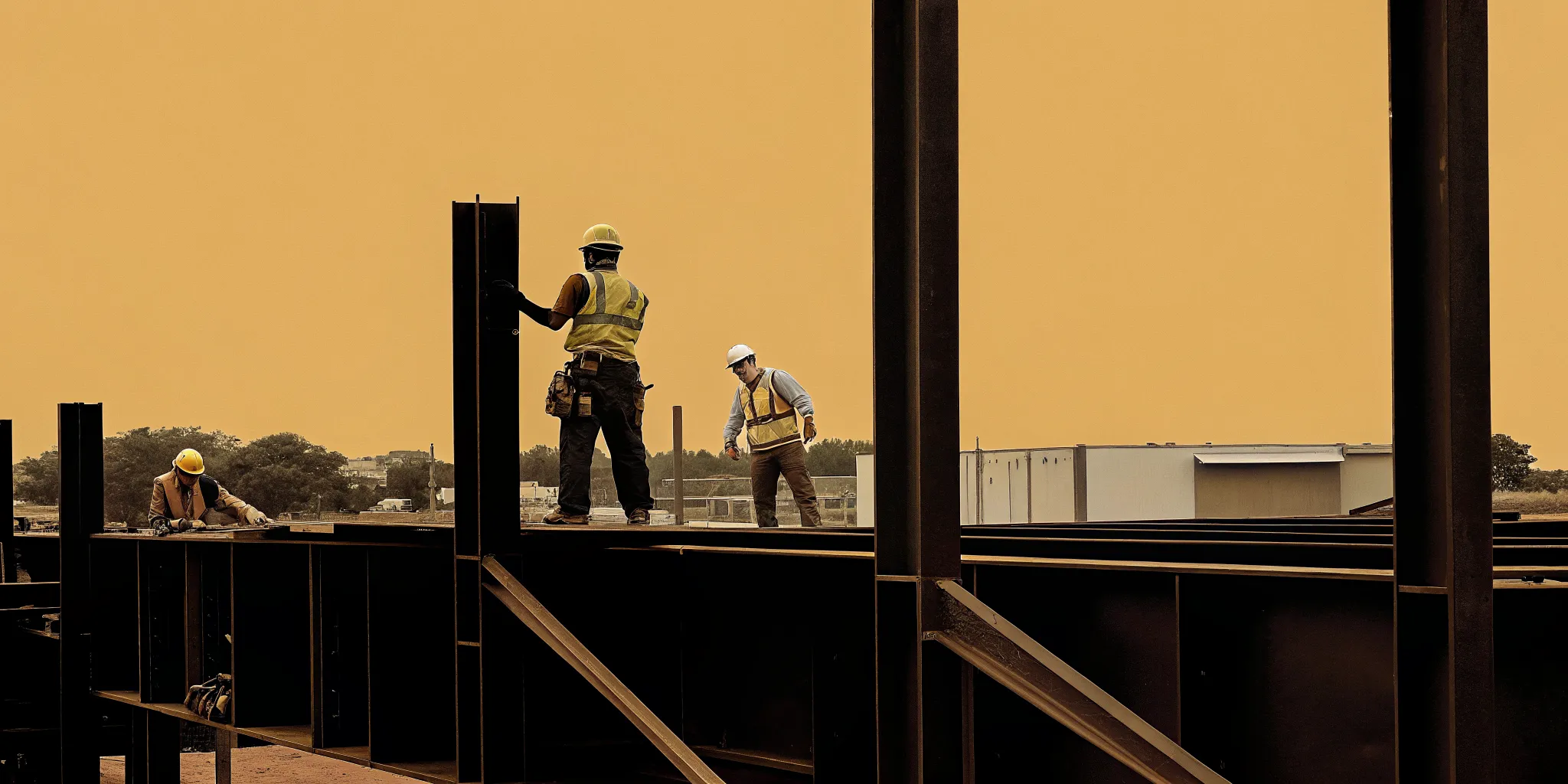
Financial validation goes beyond first-cost estimates. A complete business case models the incremental operating costs of the expanded facility including utility consumption, workforce requirements, maintenance cycles, and regulatory compliance overhead. For example, increased production capacity typically requires significant increases in water treatment capacity, electrical infrastructure, and waste handling. If these costs are not modeled upfront, they can erode projected margins once the expanded plant is operational. The case should also account for how economic constraints and infrastructure limitations affect the adoption of new technology, which is often a core component of modern expansion plans.
Two operational factors consistently determine whether an expansion delivers its projected value: workforce capacity and site infrastructure. The business case must demonstrate that the local labor market can supply the skilled workers needed for the expanded facility. Plant leadership must verify that power capacity, water supply, wastewater treatment, and logistics infrastructure can support the increased throughput. Any gaps in these areas must be addressed in the project scope and budget from the start. This level of operational due diligence requires foundational project management practices that connect capital planning with operational reality.
In food and beverage manufacturing, regulatory compliance is not an optional line item. Meeting FDA and USDA standards requires specific facility design features, material specifications, and sanitation infrastructure that add real cost to any expansion. A strong business case treats these costs as value drivers rather than burdens. Investments in hygienic design, air handling systems, and clean-in-place infrastructure protect the brand, reduce recall risk, and enable faster regulatory approval when the expanded facility begins production. Research confirms that cross-sector collaboration is essential for building resilient manufacturing ecosystems that can adapt to evolving regulatory requirements.
A complete business case transforms a high-risk capital request into a well-understood investment with clear returns, known risks, and a governance framework that ensures delivery. This is the foundation of effective food manufacturing plant expansion project management.
The hygiene interface requires physical barriers, negative air pressure systems, and dedicated personnel protocols that separate construction zones from active production areas. As documented by industry practitioners, operational constraints must be clearly defined to ensure construction activity does not compromise food safety. This involves establishing temporary walls, air locks, and cleaning stations that match the facility's existing sanitation protocols. A structured governance framework ensures these controls remain in place throughout the full project duration.
Before any design work starts, the project team must document material flow paths, personnel routes, utility tie-in points, and hygiene zone boundaries. These operational constraints ensure the expansion design integrates with existing workflows without introducing contamination risks or production bottlenecks. Defining these constraints early prevents costly design changes later and keeps the project aligned with the facility's core production requirements.
Yes. MustardSeed's AI-enabled project management tools have demonstrated a 60% reduction in project completion time for complex manufacturing expansions. These systems apply predictive analytics to identify schedule risks before they materialize. Automate progress tracking across multiple work streams, and generate real-time variance reports that enable faster corrective action by leadership. For food manufacturers racing to bring new capacity online, this acceleration directly translates to faster time-to-market for new production output.
These three milestone reviews provide structured checkpoints that verify design alignment with operational requirements before construction commitments become irreversible. At 30% completion, the team validates the basic layout and system integration approach. The 60% and 90% reviews refine details and confirm regulatory compliance. As demonstrated in capital projects across manufacturing sectors. This phased review process identifies integration gaps while they remain inexpensive to correct, reducing the risk of costly rework during construction.
An embedded PMO adds significant value even for a single-plant expansion. The governance framework, risk management protocols, and reporting cadence that a dedicated PMO provides are essential for managing the complexity of construction inside an active food production facility. The PMO serves as a neutral execution partner that keeps the project aligned with business objectives rather than construction milestones alone. Ensuring the expansion delivers its projected return on investment.
If you want to speak with a PMO Expert about your food manufacturing plant expansion project, contact MustardSeed today. Our team brings deep experience in regulated manufacturing environments and will help you build a governance model that protects production, controls costs, and delivers measurable results.